Professional teeth implants Cape Town offering customized treatment plans
Professional teeth implants Cape Town offering customized treatment plans
Blog Article
A Total Breakdown of Dental Implants: Your Direction to a Excellent Smile
Dental implants constitute a major progress in dental restoration. They offer a trustworthy option for individuals with missing teeth, presenting both practical function and visual attractiveness. The treatment includes a surgical aspect that fuses the implant with the jaw structure. Grasping the multiple aspects of dental implants, from the treatment to sustained care, is crucial for anyone exploring this choice. What considerations should one evaluate before making such a choice?

What Constitute Dental Implants and How Do They Work?
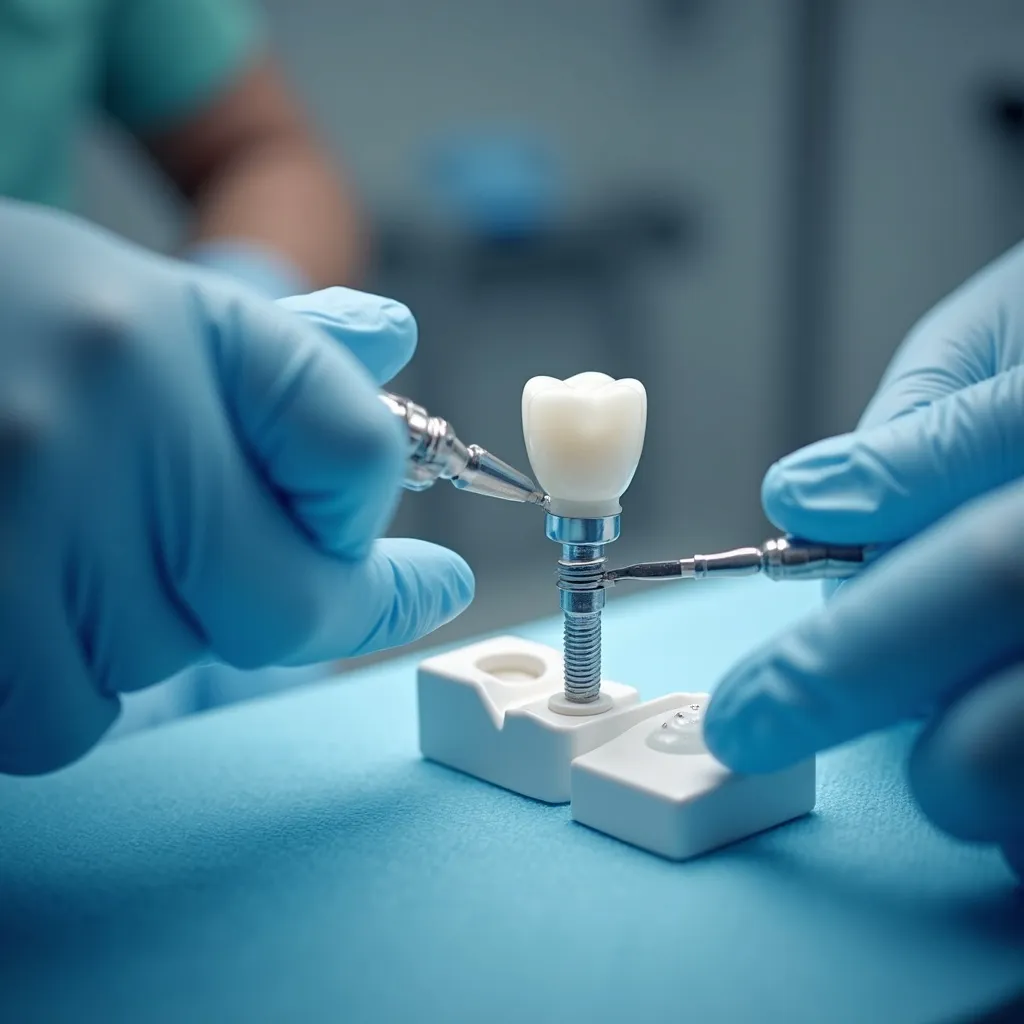
Dental implants serve as a state-of-the-art option for replacing missing teeth, providing both use and appearance. These implants are made up of a titanium post that is implanted into the jawbone, serving as a root for a new tooth. Once the post integrates with the bone—through osseointegration—it forms a solid base for attaching a cap, span, or denture. The procedure generally includes various phases, starting with a thorough check and useful guide imaging to evaluate jaw health and bone density. After implant placement, a healing phase is crucial to ensure proper integration. Then, an abutment is connected to the post to hold the final restoration. Dental implants improve chewing ability and speech while also helping to maintain facial structure by preventing bone loss. In summary, they provide a strong and trustworthy option for tooth replacement, improving both oral health and self-confidence.
Benefits of Selecting Dental Implants for Missing Teeth
Numerous individuals discover that opting for dental implants delivers substantial benefits compared to traditional tooth replacement alternatives. Dental implants deliver a durable answer to missing teeth, successfully copying the look and performance of natural teeth. Unlike dentures, they do not move or demand adhesives, improving ease and assurance.
Moreover, implants facilitate the preservation of jawbone integrity by encouraging bone development, which circumvents the deterioration that typically develops after tooth loss. This upkeep of bone integrity supports a more youthful visage.
Moreover, implant teeth are strong and can persist for many years with proper care, making them a cost-effective option in the long run. They also strengthen oral health by allowing easier availability to surrounding teeth for sanitizing and maintaining overall hygiene.
In the final analysis, the decision to opt for dental implants can contribute to enhanced quality of life, improved self-esteem, and a renewed ability to enjoy foods without restriction.
A Detailed Guide to the Dental Implant Process In Sequential Order
Understanding the tooth implant procedure can demystify the procedure for those considering this transformative choice. The procedure typically starts with a thorough assessment, including X-rays and a care plan tailored to the patient's requirements.
Subsequently, the periodontist embeds a titanium post into the jawbone, serving as the implant's root. This operation may require a healing period of several months to confirm successful bony integration, where the bone fuses with the implant.
After recovery, an abutment is affixed to the post, which will keep the replacement tooth. Impressions are subsequently made to develop a custom crown that complements the patient's natural teeth.
Ultimately, the crown is firmly positioned on the abutment, concluding the implant procedure. Post-procedure care involves routine dental visits and maintaining good oral hygiene to enhance the longevity of the implant.
Why Choose Dental Implants Instead of Other Options?
When considering tooth replacement options, people often find themselves weighing the benefits of dental implants against choices such as bridges and dentures. Dental implants offer a permanent solution, replicating the look and feel of natural teeth. Unlike dentures, which can shift or require adhesives, implants are securely anchored into the jawbone, providing improved stability and comfort.
Also, dental implants help maintain bone density by engaging the jaw, circumventing the loss of bone that often follows tooth loss. This point is vitally important for upholding facial structure and preventing premature aging. Also, implants do not negatively affect adjacent teeth, which bridges do, requiring alteration of healthy enamel.
Patients also prefer the simplicity tied to dental implants. They can be preserved like natural teeth, needing regular brushing and flossing without the requirement for special adhesives or cleaning solutions. Overall, dental implants provide a sturdy and dependable option for those pursuing long-term tooth replacement solutions.
Exposing Common Misconceptions About Dental Implants
What misconceptions are associated with dental implants? Many people assume that dental implants are hurtful and need extensive recovery time. In reality, the procedure is typically performed under localized sedation, and discomfort is often mild, like that of a tooth extraction. Another common myth claims that dental implants are only for older adults; however, they can be suitable for anyone with good gum health and sufficient bone density. Some individuals also fear that implants will look fake, but modern technology assures that they closely resemble natural teeth. Additionally, there is a misconception that dental implants are not strong; in fact, with proper care, they can last a lifetime. Finally, many fear that the procedure is unaffordable, overlooking the benefits over time, as implants can eliminate the need for future dental work associated with other tooth replacement options. Addressing these myths is essential for informed decision-making regarding dental health.
Expectations and Proper Care for Managing Your Dental Implants Post-Surgery
After addressing widespread misunderstandings about dental implants, it's crucial to clarify what patients can expect during the healing period and how to maintain their implants after the procedure. Initially, patients may undergo inflammation, pain, and slight bleeding, which can be managed with doctor-recommended pain medication and cold therapy.
Upon completion of the treatment, following a soft-food diet is recommended to minimize irritation. Oral hygiene is critical; careful brushing along with rinsing in a non-alcoholic mouthwash aids in keeping the implant area cleaned.
Patients should avoid smoking and limit strenuous activities for at least a week to facilitate recovery. Regular follow-up appointments with the dental provider are crucial to monitor the healing process and address any concerns. By understanding these care instructions, patients can improve the durability and success of their dental implants, paving the way for a healthier smile.
Strategies for Continuous Care of Your Dental Implants
Sustaining dental implants requires steady daily oral care and regular dental checkups. These important measures help guarantee the longevity and functionality of the implants. By adhering to a consistent maintenance plan, individuals can markedly enhance their overall oral health.
Everyday Dental Care Practices
Maintaining effective daily oral hygiene is key for dental implant longevity. Those with implants should brush their teeth at least twice a day using a soft-bristled toothbrush and non-abrasive fluoride toothpaste. Flossing plays an just as crucial role; using specialized floss or interdental brushes can thoroughly clean around implants and prevent plaque buildup. An antimicrobial mouthwash rinse can aid in decreasing harmful bacteria present in the mouth. Paying special attention to the gum line and surrounding natural teeth is important to sustain overall oral health. Replacing toothbrushes every three months ensures effective cleaning. Following these guidelines, implant recipients can greatly boost the durability and aesthetic of their dental implants, resulting in a bright smile for many years.
Routine Oral Checkups
Periodic dental checkups prove critical for the long-term care of dental implants. These meetings enable dental professionals to observe the health of both the implants and neighboring tissue, making sure that any conceivable complications are corrected promptly. During these sessions, intensive exams and expert cleanings help mitigate problems such as infections or gum disease, which can threaten the integrity of the implants. Additionally, dentists can present tailored advice on maintaining dental health practices specific to implant care. Regular X-rays may also be done to evaluate bone health and implant stability. By dedicating yourself to routine checkups, patients can considerably improve the longevity and success of their dental implants, fostering a healthier and more confident smile.
Frequently Requested Questions
Are tooth implants suitable for everyone?
Dental implants may not be ideal for all individuals. Various factors like age, oral health, bone density, and medical conditions play crucial roles in deciding eligibility. A detailed review by a dental expert is critical for tailored recommendations.
How Long Can Dental Implants Operate?
Dental implants usually last 10 to 15 years, determined by factors like dental care, daily habits, and placement technique. With appropriate maintenance, some can last even longer, offering a long-lasting solution for tooth loss.
What Represent the Expenses for Implant Teeth?
The price of dental implants typically falls between $3,000 to $4,500 per implant. Factors influencing the price include the dentist's expertise, location, and any extra treatments required, such as bone grafting or sinus lifts.
Is it possible to get tooth replacements when smoking?
Yes, people who smoke can obtain dental implants; however, smoking may impede healing and increase the risk of complications. Speaking with a dental professional is important to assess individual circumstances and manage potential risks successfully.
Dental Implant Treatment: How Painful Is It Actually?
The dental implant procedure typically causes some soreness, but dentists often provide local anesthesia to reduce pain. Post-operative tenderness can occur, lasting a few days, but most patients find the experience comfortable with appropriate care.
Report this page