Explore dental implants using advanced restorative techniques
Explore dental implants using advanced restorative techniques
Blog Article
A Detailed Analysis of Dental Implants: Your Route to a Stunning Smile
Dental implants represent a significant progress in restorative dentistry. They provide a reliable solution for people with tooth loss, delivering both functionality and visual attractiveness. The treatment includes a surgical element that bonds the implant with the jaw structure. Comprehending the different elements of dental implants, from the treatment to long-term care, is essential for anyone considering this option. What considerations should one evaluate before making such a choice?

What Constitute Dental Implants and How Do They Work?
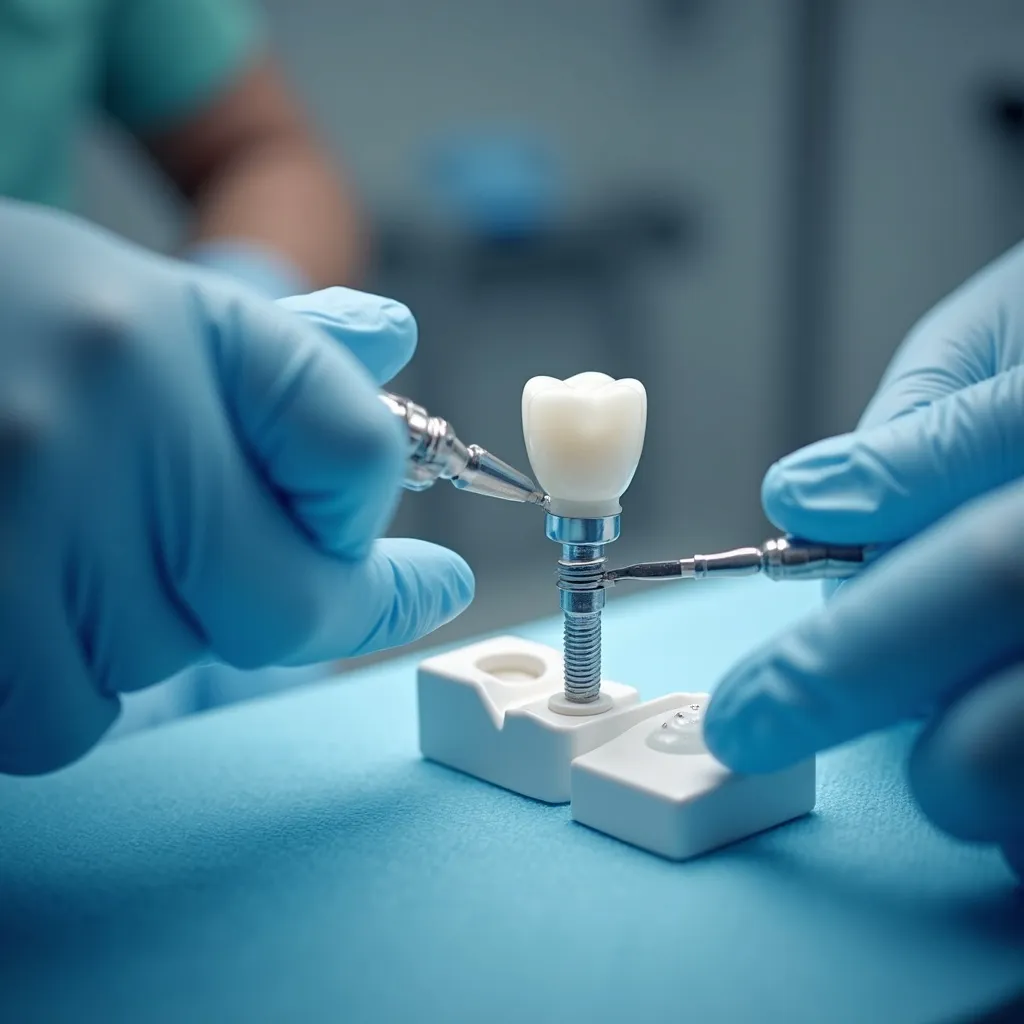
Dental implants serve as a innovative option for replacing missing teeth, offering both effectiveness and visual appeal. These implants consist of a titanium post that is surgically inserted into the jawbone, acting as a root for a replacement tooth. Once the post integrates with the bone—a process known as osseointegration—it provides a sturdy base for attaching a prosthetic, dental bridge, or denture. The procedure typically involves several stages, beginning with a comprehensive check and imaging to assess jaw health and bone density. Following the implant placement, a healing period is essential to guarantee proper integration. Afterward, an abutment is attached to the post to hold the final restoration. Dental implants not only restore chewing ability and speech but also help maintain facial structure by stopping bone resorption. Overall, they represent a dependable and durable option for tooth replacement, enhancing both oral health and self-confidence.
Benefits of Choosing Dental Implants for Missing Teeth
Many people discover that opting for dental implants provides significant advantages compared to conventional tooth replacement alternatives. Dental implants deliver a durable answer to missing teeth, successfully mimicking the look and performance of natural teeth. Unlike dentures, they do not slip or require adhesives, boosting comfort and assurance.
Furthermore, implants aid in preserving jawbone integrity by encouraging bone growth, which prevents the deterioration that commonly comes after tooth loss. This maintenance of bone density leads to a more youthful facial appearance.
In addition, implant solutions are reliable and can serve for many years with proper care, making them a cost-effective option in the long run. They also improve oral health by allowing easier explore this availability to surrounding teeth for cleaning and upholding overall dental health.
Ultimately, opting for dental implants can facilitate enhanced quality of life, improved self-esteem, and a renewed ability to relish meals without restriction.
Your Complete Instructions for Learning About the Dental Implant Treatment One Step at a Time
Understanding the tooth implant process can demystify the procedure for those considering this transformative option. The process generally starts with a thorough assessment, featuring X-rays and a care plan tailored to the individual's needs.
Following this, the dental professional sets a titanium post into the jawbone, acting as the implant's root. This step may demand a healing period of several months to assure successful osseointegration, where the bone attaches to the implant.
After healing, an abutment is placed to the post, which will support the replacement tooth. Impressions are subsequently made to fabricate a custom crown that harmonizes with the patient's natural teeth.
Finally, the crown gets firmly positioned on the abutment, completing the implant process. Post-procedure care involves regular dental check-ups and preserving good oral hygiene to promote the longevity of the implant.
Why Select Dental Implants Over Other Alternatives?
While exploring tooth replacement options, individuals often find themselves comparing the benefits of dental implants against alternatives such as bridges and dentures. Dental implants offer a long-lasting solution, replicating the look and feel of natural teeth. Unlike dentures, which can shift or require adhesives, implants are securely anchored into the jawbone, providing enhanced stability and comfort.
Moreover, dental implants maintain skeletal mass by stimulating the jaw, preventing the skeletal deterioration that often follows tooth loss. This aspect is especially crucial for maintaining facial structure and staving off premature aging. Additionally, implants do not damage adjacent teeth, as bridges do, which necessitate alteration of healthy enamel.
Patients also like the ease of maintenance associated with dental implants. They can be maintained like natural teeth, necessitating regular brushing and flossing without the necessity for special adhesives or cleaning solutions. Overall, dental implants constitute a resilient and effective option for those wanting long-term tooth replacement solutions.
Debunking Common Myths About Dental Implants
Which false beliefs exist about dental implants? A lot of people believe that dental implants cause pain and need a long recovery period. In fact, the procedure is generally performed under local anesthesia, and pain is usually limited, similar to tooth extraction. Another popular myth claims dental implants are only for older adults; however, they're suitable for anyone with sound gums and enough bone. Some people also are concerned implants might look artificial, but modern techniques ensure they closely match natural teeth. Additionally, it's often misunderstood that dental implants lack durability, but with proper care, they can last a lifetime. Lastly, many think the procedure is too expensive, overlooking the cost-effectiveness over time, since implants can prevent future dental work that other tooth replacement options might require. Addressing these myths is important for proper understanding about dental health.
What to Anticipate and How to Care for Your Implant Teeth After Surgery
After discussing widespread misunderstandings about dental implants, it's important to clarify what patients can expect during the recovery process and how to care for their implants after the procedure. At first, individuals may undergo inflammation, discomfort, and slight bleeding, which can be managed with prescribed pain relievers and cold therapy.
Upon completion of the procedure, following a soft-food diet is recommended to minimize sensitivity. Oral hygiene is critical; careful brushing along with rinsing in a alcohol-free mouthwash aids in keeping the implant area cleaned.
Patients ought to refrain from smoking and reduce intense exercise for at least a week to promote healing. Consistent dental check-ups with the dental provider are essential to monitor the healing process and handle any issues. By understanding these care instructions, patients can improve the durability and success of their dental implants, paving the way for a healthier smile.
Strategies for Continuous Care of Your Dental Implants
Looking after dental implants demands persistent daily hygiene habits and consistent dental visits. These key practices help guarantee the resilience and function of the implants. By adhering to a disciplined care routine, individuals can markedly enhance their broader dental condition.
Daily Oral Hygiene Practices
Effective everyday dental care practices are crucial for the longevity of dental implants. Individuals with implants should clean their teeth at least twice a day using a soft-bristled toothbrush and a fluoride toothpaste that is non-abrasive. Flossing is equally important; specialized floss or interdental brushes can properly clean around implants and prevent plaque buildup. Rinsing with an antimicrobial mouthwash can help lower harmful bacteria in the mouth. It is essential to pay special attention to the gum line and any surrounding natural teeth to maintain overall oral health. Regularly replacing toothbrushes every three months guarantees optimal hygiene. By adhering to these practices, implant recipients can considerably enhance the durability and aesthetic of their dental implants, leading to a radiant smile for years to come.
Consistent Oral Visits
Consistent routine dental visits serve as a vital component in the sustained maintenance of dental implants. These consultations allow dental professionals to assess the state of both the implants and surrounding tissues, ensuring that any potential issues are dealt with promptly. During these sessions, detailed cleanings and full assessments help prevent complications such as periodontal infections or gum conditions, which can threaten the soundness of the implants. Additionally, dentists can offer customized guidance on upholding oral hygiene designed for implant care. Regular X-rays may also be obtained to determine bone health and implant stability. By staying committed to routine checkups, patients can significantly boost the long-term durability and positive outcomes of their dental implants, producing a healthier and more confident smile.
Frequently Requested Questions
Are tooth implants appropriate for everyone?
Dental implants may not be ideal for everyone. Multiple factors like age, oral health, bone density, and medical conditions play crucial roles in deciding eligibility. A thorough review by a dental expert is critical for tailored recommendations.
What Is the Lifespan of Dental Implants?
Dental implants generally last 10 to 15 years, influenced by factors like oral hygiene, lifestyle, and placement technique. With proper care, some can last even further, providing a long-lasting option for tooth loss.
What Does Dental Implants Price You?
Dental implants typically price $3,000 to $4,500 per implant. The price point depends on the dentist's expertise, location, and any required extra treatments required, such as bone grafting or sinus lifts.
Can I have dental implants as a tobacco user?
Yes, individuals who smoke can obtain dental implants; however, smoking may impede healing and boost the risk of complications. Consulting a dental professional is important to examine individual circumstances and address potential risks successfully.
How Uncomfortable Is the Dental Implant Procedure?
The dental implant surgery typically involves some soreness, but dentists often give local anesthesia to reduce pain. Post-operative tenderness can develop, lasting a few days, but most patients find the experience comfortable with appropriate care.
Report this page